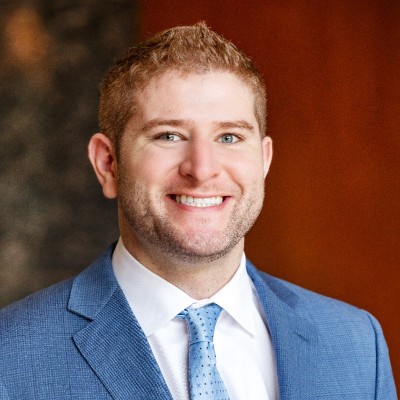
AllocatorBase started inside Hatteras Investment Partners — an alternatives firm founded in 2003 that raised over $6 billion over its lifetime. The capital formation process behind AllocatorBase was built by David Perkins who co-founded both CapTrust (1997) and Hatteras Investment Partners (2003) — refining it across more than 30 years of fundraising. That process — the scoring logic, pipeline architecture, and CRM workflows his team used every day — is what AllocatorBase is based on.
That process wasn't a product. It was a set of CRM configurations, scoring logic, pipeline stages, and workflow habits built through years of trial and error — starting in Salesforce, evolving through engagements with Goodwood Consulting, and eventually migrating to HubSpot. It worked because it was built by someone who had actually raised capital, not someone who had built software about raising capital.
Over the past two years at Gondola Partners, we continued refining the process — raising $100 million using the same infrastructure. Along the way, we bought subscriptions to Dakota, AdvizorPro, and other allocator databases. The data was useful. The platforms were well-built. But every time, we hit the same wall.
The databases gave us contacts. Thousands of them. But CRMs aren't designed for asset managers — they're designed to sell widgets. Every import created duplicates because the vendors couldn't match records against what was already in the CRM. The sales team stopped trusting the data. And the subscriptions were expensive enough that we'd alternate between vendors year to year, trying to capture as much of our target universe as we could afford.
The problem was never the data. The problem was that no one had built what comes after the data — the scoring, the pipeline stages, the engagement tracking, the automation, the CRM architecture that turns a list of allocators into a functioning fundraising operation.
AllocatorBase is that layer. It's the productized version of a capital formation process refined over 40 combined years and across three firms — the same infrastructure that powered $6.1 billion in capital raised. Now it's available to every alternative asset manager who's ever bought a database and asked, "Now what?"